
Desserts
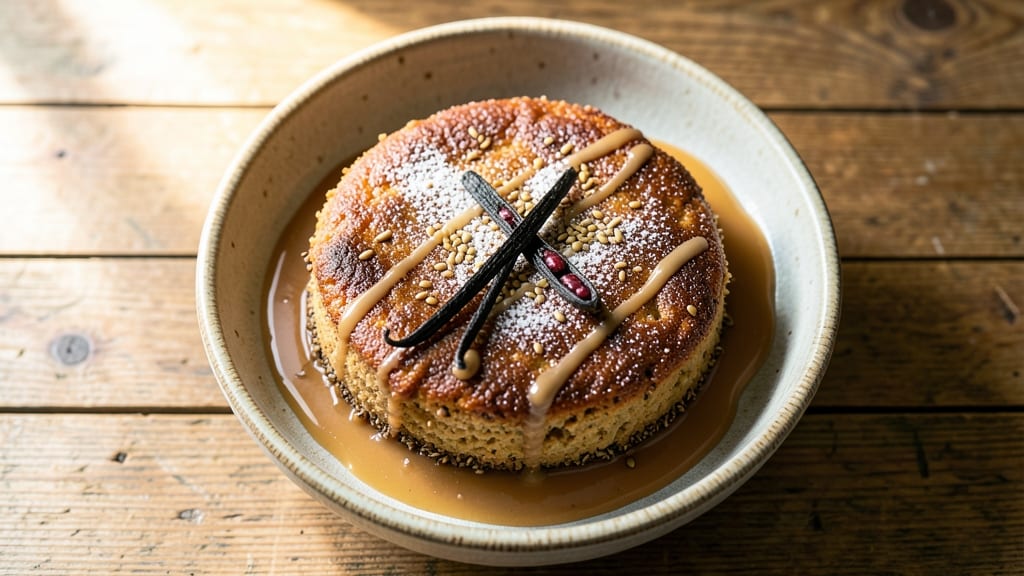
This brown rice flour cake recipe delivers a surprisingly light, moist crumb—proof that gluten-free baking can rival traditional cakes. The secret lies in flax eggs and coconut oil, which create a tender, fluffy texture without dairy or eggs.
I’ve perfected this recipe after years of testing, ensuring every slice stays moist for days.
With just 30 minutes of prep and 350°F baking, this cake surprises with its delicate crumb and subtle nutty flavor. Ideal for vegans, gluten-free diets, or anyone craving a lighter dessert, it’s also customizable with toppings like coconut whipped cream or fresh fruit.
The result? A cake so tender it feels like a hug in every bite.
Ingredients for brown rice flour cake
Gluten-free staples and tropical flavors create a cake that rivals traditional recipes.
| Ingredient | Amount | Notes |
|---|---|---|
| Brown Rice Flour 🌾 | 2 cups | Gluten-free, finely milled preferred |
| Coconut Sugar 🍯 | ¾ cup | Substitute granulated for neutral sweetness |
| Coconut Oil 🫒 | ¾ cup | Melted, full-fat for moisture |
| Flaxseeds 🌱 | 3 tbsp | Ground into flax meal for eggs |
| Almond Milk 🥛 | 1 cup | Unsweetened, room temperature |
| Vanilla Extract 🌸 | 1 tsp | Pure extract, no alcohol |
| Baking Powder 🍞 | 2 tsp | Gluten-free blend preferred |
| Salt 🧂 | ½ tsp | Fine sea salt for balance |
| Apple Cider Vinegar 🍏 | 1 tbsp | For flax egg activation |
| Ripe Banana 🍌 | 1 whole | Mashed for natural sweetness |
| Lemon Zest 🍋 | 1 tbsp | Freshly grated for brightness |
| Coconut Whipped Cream 🥥 | ½ cup | Optional topping, chilled |
Brown rice flour is the star here—Bob's Red Mill or Anthony's Goods are my go-tos for consistent results. The finer the grind, the lighter your cake will be. Coconut sugar adds caramel notes without the harsh aftertaste of refined sugar, but granulated maple syrup works too. For the coconut oil, virgin and extra-virgin both work, but avoid refined versions—they lack flavor. Store your rice flour in the freezer to prevent rancidity, especially if you're not using it often.
No flaxseeds? Chia seeds at double the amount work in a pinch, but the texture won't be identical. The banana is non-negotiable for moisture—it's what keeps this cake tender. If you're avoiding fruit, 1/4 cup unsweetened applesauce is a decent swap, though the flavor will shift slightly. For the almond milk, oat or soy milk are great alternatives, but avoid brands with added gums—they can make the cake gummy. The baking powder must be gluten-free; regular baking powder contains wheat.
This cake stays moist for 4-5 days when wrapped tightly in plastic. For longer storage, freeze slices wrapped individually—they'll thaw in 10 minutes at room temperature. The coconut whipped cream topping should be added fresh, but you can make it ahead and store it in the fridge for 3 days. If your cake develops a dry top crust, brush it with a simple syrup (equal parts sugar and water) to revive moisture before serving.
Why You'll Love This Recipe
- No Mixer Needed: I swear by this recipe when I’m in a rush—just whisk the brown rice flour and almond milk until smooth, no fancy equipment required. The flaxseeds even act as a binder, so no eggs to crack or measure.
- Caramelized Edge Magic: That toasty brown rice flour crust? It’s like a hug for your taste buds—sweet from coconut sugar but with a nutty depth that keeps you reaching. Honestly, the first bite makes me forget it’s gluten-free.
- Weeknight Meal Prep: Slice it up, wrap it tight, and it’ll last five days in the fridge without drying out. I pack these for lunches or snack emergencies—no one ever guesses it’s just rice flour and coconut oil holding it together.
- Budget-Friendly Indulgence: Brown rice flour and coconut sugar are cheaper than all-purpose flour and refined sugar, yet this cake feels like a treat. I’ll be real: my wallet thanks me every time I make a double batch.
Step-by-step instructions for brown rice flour cake
Here's how to achieve that signature light texture and moist center using only the ingredients you've gathered.
Create the Flax Egg and Prepare Wet Ingredients
In a small bowl, combine the 3 tablespoons flaxseeds with the 1 tablespoon apple cider vinegar. Stir vigorously and let sit for 5 minutes—this creates a gel-like flax egg that replaces traditional eggs. While waiting, mash the 1 whole ripe banana until completely smooth, with no visible chunks. This ensures even distribution and prevents dense spots in your cake.
In a separate bowl, whisk together the 1 cup almond milk, 1 teaspoon vanilla extract, 1 tablespoon lemon zest, and the mashed banana. The lemon zest adds brightness that balances the coconut sweetness, while the vanilla enhances the overall flavor. Set this mixture aside while you prepare the dry ingredients.
Mix Dry Ingredients and Combine Wet Components
In a large mixing bowl, sift together the 2 cups brown rice flour, 2 teaspoons baking powder, 0.5 teaspoon salt, and 0.75 cup coconut sugar. This step ensures even distribution of leavening agents and prevents lumps. Gently fold in the melted 0.75 cup coconut oil using a spatula until the mixture resembles coarse crumbs with a few small clumps—don't overmix or you'll develop gluten-like proteins that make the cake dense.
Gradually pour the wet ingredient mixture into the dry ingredients while stirring gently. The batter will be thick and slightly sticky, similar to a dense brownie batter. This texture is normal and essential for achieving that moist center. Fold just until combined—you should still see some dry flour streaks. Avoid overworking the batter, as this can make the cake tough.
Bake at Low Temperature for Even Cooking
Preheat your oven to 350°F and grease an 8-inch round cake pan with coconut oil or line it with parchment paper. Pour the batter into the prepared pan and smooth the top with a spatula. Place the pan on a baking sheet to catch any potential drips, then bake for 35-40 minutes. The cake is done when a toothpick inserted in the center comes out clean and the edges are lightly golden.
Here's the secret to that signature moist center: I've found that brown rice flour cakes benefit from a slightly longer bake time at a lower temperature. This allows the cake to set gently without drying out. The coconut oil and banana moisture work together to keep the interior soft while the exterior develops just enough structure to hold its shape.
Cool and Serve with Optional Topping
Remove the cake from the oven and let it cool in the pan for 10 minutes, then transfer to a wire rack to cool completely. The cake will sink slightly in the center as it cools—that's normal and actually enhances the moist texture. For the best results, serve the cake at room temperature to appreciate its light crumb and subtle coconut flavor.
If using, pipe the 0.5 cup coconut whipped cream over the top just before serving. The cream's cool temperature contrasts beautifully with the warm cake, while its light texture complements rather than overpowers the delicate brown rice flour base. This cake holds its moisture well for up to 3 days when stored in an airtight container at room temperature, making it perfect for meal prep.
Pro Tips For Making Brown Rice Flour Cake
- Sift the Flour Twice: Brown rice flour is heavy and clumps like a stubborn kid refusing to share. Sift it through a fine-mesh sieve before mixing, then sift it again after adding wet ingredients—this cuts out the gummy patches that ruin texture. I learned this the hard way when my first cake turned out dense enough to double as a doorstop.
- Toast the Flaxseeds: Skip this, and your cake’s flavor will taste like a sad, watery oatmeal. Dry-toast the flaxseeds in a pan over medium heat for 3-4 minutes until they smell nutty and aromatic—then grind them fresh. Pre-ground flaxseeds lose their binding power fast, and your cake will crumble like a bad soufflé.
- Don’t Overmix the Batter: Brown rice flour cake is delicate—treat it like a glass of wine, not a blender tornado. Mix just until the coconut sugar dissolves and the flour is barely incorporated. Overmixing triggers gluten (yes, even in rice flour) and turns your cake into a chewy brick. Stop when you see a few dry spots—those disappear when baked.
- Use Room-Temp Almond Milk: Cold almond milk curdles the coconut oil faster than a bad date at a party. Warm it slightly (just until it’s lukewarm to the touch) before mixing—this ensures smooth batter and even texture. Pro move: Shake the carton first; settled milk at the bottom ruins consistency.
Common mistakes when making this dish
Overmixing the Batter
This is the #1 mistake that turns your cake into a dense brick. Brown rice flour doesn't contain gluten, so it can't handle overworking like wheat flour. Once you've combined all ingredients, stop mixing immediately when you see just a few dry flour streaks remaining.
I've ruined cakes by mixing for another 30 seconds—don't make my mistake! The goal is to distribute ingredients without developing gluten-like proteins that create toughness. 🥄
Skipping the Flax Egg Rest
Those 5 minutes you let your flax egg sit aren't optional—they're crucial. Rushing this step means your flax egg won't fully gel, leading to a cake that collapses or has a raw center.
I once forgot and ended up with a cake that looked done but was still gummy inside. Pro tip: Use a timer so you don't accidentally skip it while prepping other ingredients.
Using the Wrong Flour
Not all brown rice flours are created equal. If your flour has large gritty particles, your cake will be uneven. I recommend Bob's Red Mill or Anthony's Goods—both are finely milled for baking.
Also, never substitute regular rice flour (the white kind) as it lacks the nutty flavor and binding properties of brown rice flour. The texture difference is dramatic—trust me, I've tried!
Overbaking for Dryness
Brown rice flour cakes have a tendency to dry out quickly, so it's tempting to keep them in the oven longer. But once that toothpick comes out clean at 35-40 minutes, your cake is done.
Overbaking by even 5 minutes will give you a crumbly, dry result. The cake continues cooking slightly as it cools, so pull it out when it's just set. 🕒
Ignoring the Cooling Process
I can't stress this enough: 10 minutes in the pan followed by complete cooling on a wire rack is non-negotiable. Trying to cut into your cake too soon leads to crumbly layers.
The cake needs time for its structure to fully set. If you're impatient (I've been there), at least let it cool for 30 minutes before slicing—you'll notice the difference in texture.
Substituting Key Ingredients
The banana and coconut oil are your moisture anchors—don't swap them for just any fruit or fat. I've tried using applesauce for the banana and olive oil for the coconut oil, and both changes made the cake significantly drier.
If you must substitute, use 1/4 cup unsweetened applesauce for the banana and stick with coconut oil for its moisture-retaining properties. The flavor profile will shift, but the texture will suffer more.
Nutrition facts
Frequently asked questions
Why does this brown rice flour cake turn out so much lighter than other gluten-free cakes?
The secret lies in the combination of flax eggs and coconut oil, which create a tender crumb without gluten. The ripe banana adds natural moisture while the lemon zest brightens the flavor, balancing the coconut sweetness. Unlike many gluten-free recipes that rely on gums or binders, this formula uses natural ingredients to achieve that signature light texture.
Can I make this cake without coconut oil?
While coconut oil is ideal, you can substitute with avocado oil or melted vegan butter in a 1:1 ratio. Avoid olive oil—it has a strong flavor that can overpower the delicate cake. If you must use a neutral oil, keep the cake at 350°F for 30-35 minutes instead of 40 to prevent dryness. The texture will still be moist but slightly denser.
How do I prevent my cake from sinking in the center?
Sinking is normal with brown rice flour cakes, but you can minimize it by ensuring your flax egg is fully rested for 5 minutes and your oven is preheated to 350°F. Avoid opening the oven door during baking, which causes temperature fluctuations. For extra insurance, bake for 35 minutes instead of 40—pull it out when the edges are set but the center still jiggles slightly.
What are the best toppings for this cake?
This cake's subtle flavor pairs beautifully with fresh fruit like mango slices or berries, but the classic choice is coconut whipped cream. For a chocolate twist, drizzle with melted vegan dark chocolate. If you prefer something crunchy, sprinkle toasted coconut flakes or chopped walnuts on top. The key is to keep toppings light so they don't overpower the delicate cake.
Can I use this recipe for cupcakes instead of a cake?
Divide the batter evenly among 12 lined cupcake molds and bake at 350°F for 20-25 minutes, or until a toothpick comes out clean. The smaller size means they'll bake faster, but keep an eye on them—they dry out quicker than the full cake. These cupcakes are perfect for parties or as a snackable dessert.