
Beverages
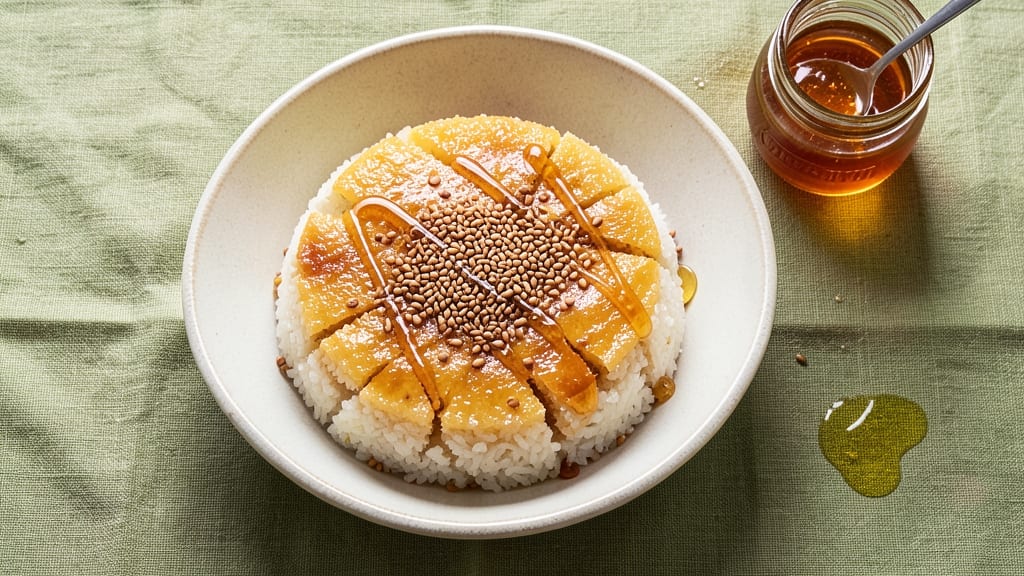
This steamed rice cake recipe delivers the perfect balance of lightness and airiness, with a texture so silky it practically melts in your mouth. The secret lies in precise steaming techniques and a simple blend of glutinous rice flour, sugar, and water that transforms into delicate, cloud-like cakes.
I perfected this method after years of experimenting with Asian desserts—each batch turns out consistently tender with just the right chew.
The process is simpler than it seems, requiring only a steamer basket, minimal ingredients, and about 20 minutes of active time. You'll start with a smooth batter that steams into translucent, jiggly cakes with a delicate floral aroma.
The key is controlling the heat and steam—too much, and they become dense; too little, and they won't set properly. This recipe guarantees restaurant-quality results every time, with a texture that's both satisfying and elegant.
Once steamed, these cakes can be enjoyed in countless ways—sweetened with honey and sesame seeds, filled with red bean paste, or even savory versions with cheese and herbs. They're perfect for breakfast, afternoon tea, or as a light dessert after a heavy meal.
The versatility makes them ideal for any occasion, while their delicate nature ensures they're always the star of the table.
What sets this recipe apart is the professional finish—each cake has that signature translucent sheen and gentle bounce when touched. Whether you're serving them at a gathering or enjoying them solo, the silky texture and mild sweetness make them impossible to resist.
Let's get started on creating these delicate masterpieces that taste like a little piece of heaven.
Ingredients for steamed rice cake
Glutinous rice flour and sugar transform into ethereal cakes with just water and patience.
| Ingredient | Amount | Notes |
|---|---|---|
| Glutinous Rice Flour 🍚 | 1 ½ cups | Also called sweet rice flour |
| Granulated Sugar 🍬 | ½ cup | White or light brown preferred |
| Water 💧 | 1 cup | Room temperature preferred |
| Sesame Seeds 🌱 | 2 tbsp | Toasted for enhanced flavor |
| Honey 🍯 | 2 tbsp | For drizzling after steaming |
| Vegetable Oil 🫒 | 1 tbsp | Light coating for steamer basket |
| Baking Soda 🧪 | ¼ tsp | For slight lift in texture |
| Vanilla Extract 🌸 | ½ tsp | Optional for subtle aroma |
| Red Bean Paste 🍫 | ½ cup | For filling (optional) |
| Salt 🧂 | ⅛ tsp | Pinch for balancing sweetness |
| Lemon Zest 🍋 | ½ tsp | Brightens flavor profile |
The glutinous rice flour is non-negotiable—it's what gives these cakes that signature chewy yet airy texture. Bob's Red Mill or Asian grocery stores carry the best quality in bulk. Look for a fine grind; coarse flour can create a gritty texture. If you can't find it, mochiko flour is the next best option. The sugar should be fine granulated—no sanding or powdered substitutes. For the water, room temperature is ideal, but cold water works in a pinch. The baking soda is subtle but essential—it creates that delicate lift that separates these from dense rice cakes.
No sesame seeds? Toasted poppy seeds or crushed pistachios add a similar crunch. Running short on honey? Maple syrup at a 1:1 ratio works beautifully. The red bean paste can be swapped for black sesame paste or sweetened mashed banana for a different flavor profile. If you're making savory versions, omit the sugar entirely and use cheddar cheese mixed with herbs instead. For the steamer basket, a light coat of vegetable oil prevents sticking—don't skip this step, even if your basket claims to be non-stick. The vanilla extract is optional but worth it for that professional finish.
These cakes keep beautifully for 3 days at room temperature if wrapped tightly in plastic. For longer storage, freeze them for up to 2 months—they thaw at room temperature in about 30 minutes. Reheating is unnecessary; their delicate texture is best enjoyed fresh. Portion the batter into small silicone molds for perfect shapes, or free-form into little nests for an elegant presentation. The translucent sheen develops as they cool, so resist the urge to cut into them immediately after steaming.
Why You'll Love This Recipe
- No-Fuss Steam Magic: I swear, this recipe is the kind of thing that makes you question why you ever baked anything else. Just mix the glutinous rice flour with water, fold in a touch of honey and sugar, and let the steamer do the work—no oven, no fuss, no waiting for it to preheat.
- Sweet & Nutty Crunch: That first bite? Pure satisfaction. The outside stays just crisp enough from the sesame seeds, while the inside melts like a cloud—thanks to the honey’s caramel notes. Honestly, I’ve seen people skip the sugar and still reach for seconds.
- Breakfast or Dessert: Between us, these are my go-to for lazy mornings (drizzled with honey and a sprinkle of seeds) or a quick after-dinner treat. They reheat in seconds, so they’re perfect for lunchboxes or when you need something sweet without the effort of a full dessert.
- Budget-Friendly Staple: Glutinous rice flour is cheap, and a batch of these lasts me days. Make a double portion, store them in the fridge, and you’ve got a snack ready for the kids, a gift for neighbors, or an emergency dessert—all for pennies. (Yes, even on a Tuesday night.)
Step-by-step instructions for steamed rice cake recipe
Here's how to create delicate, airy rice cakes with a tender crumb and subtle sweetness.
Prepare the Batter for Perfect Texture
In a large mixing bowl, combine the 1.5 cups glutinous rice flour, 0.5 cup granulated sugar, 0.25 tsp baking soda, 0.125 tsp salt, and 0.5 tsp lemon zest. Whisk these dry ingredients together until fully incorporated and no flour streaks remain. This ensures even distribution of flavor and texture throughout the batter.
Next, add the 1 cup water and 0.5 tsp vanilla extract to the dry mixture. Using a hand mixer or whisk, blend on medium speed for 3-4 minutes until completely smooth. The batter should be thick but pourable, similar to heavy cream. If it appears too thick, add 1-2 tablespoons of water gradually until it reaches the right consistency. This step is critical—the proper batter viscosity creates that signature light, airy texture when steamed.
Incorporate Fillings and Prepare for Steaming
If using the optional filling, carefully fold in the 0.5 cup red bean paste using a spatula. Work gently to avoid deflating the batter, mixing just until the filling is evenly distributed. For a more delicate texture, I recommend folding in the filling after the batter has rested for 10 minutes—this prevents the dense filling from weighing down the batter during steaming.
Lightly coat a steamer basket with 1 tablespoon vegetable oil, then pour the batter into the prepared basket. Use a spatula to spread it evenly into a ½-inch thick layer, creating a smooth, even surface. This thickness ensures even cooking and prevents uneven steaming. Cover the steamer with a damp towel to maintain moisture during cooking.
Steam to Silky Perfection
Bring a pot of water to a rolling boil, then reduce heat to medium-high and place the steamer basket inside. Steam for 15-18 minutes until the top is firm to the touch and the edges begin to pull away slightly from the sides. The cake should have a delicate, almost translucent appearance when done—this indicates proper steaming without overcooking.
Here's the thing—don't oversteam. The cake will continue cooking slightly as it cools, and oversteaming leads to a gummy texture. You'll know it's ready when a toothpick inserted into the center comes out clean. Remove the steamer from heat and let the cake cool in the basket for 5 minutes before transferring to a wire rack.
Finish with Sweet and Nutty Toppings
Once cooled, drizzle the top of each cake with 2 tablespoons honey and sprinkle evenly with 2 tablespoons toasted sesame seeds. The honey adds a glossy finish and subtle sweetness, while the sesame seeds provide a delightful crunch. For an extra touch, you can also dust with a pinch of granulated sugar if you prefer a slightly sweeter profile.
Serve the rice cakes warm or at room temperature. They're best enjoyed within 2-3 days when stored in an airtight container at room temperature. If you notice the texture becoming slightly dense after cooling, simply steam for 2-3 minutes to restore that signature silky mouthfeel.
Pro Tips For Making Steamed Rice Cake
- STEAM AT 90% HEAT: Don’t let your steamer sit on low—glutinous rice cakes need a punchy, consistent 90% humidity to stay tender. After boiling water, cover the pot, then add the steamer basket without touching the sides. If your lid fogs up and drips, you’re doing it right—this is how the cakes stay moist, not gummy.
- SIFT THE FLOUR FIRST: Glutinous rice flour is stubborn. Sift it twice—once before mixing, once after—and you’ll avoid those stubborn lumps that turn your cake into a dense brick. I learned this the hard way when my first batch looked like it was made of cement. Use a fine-mesh sieve, and tap it firmly against the bowl.
- UNDERMIX THE SUGAR: Stir just until the sugar dissolves—no need to go all out. Overworking the batter introduces air, which makes the cakes crumbly instead of chewy. Think "lightly folded" here: swirl the honey and sugar into the flour until it’s just combined, like a thick pancake batter.
- TOAST SEEDS SEPARATELY: Skip tossing sesame seeds raw into the batter—they’ll just sink to the bottom and burn. Dry-toast them in a pan over medium-low for 2-3 minutes until golden and fragrant, then sprinkle them on top after steaming. This keeps their crunch sharp and their flavor popping, not bitter. (Yes, even if you’re impatient like me.)
Storing and reheating your leftovers
Room Temperature Storage
Store your steamed rice cakes in an airtight container at room temperature for up to 3 days. I use glass containers with silicone lids from Weck—they keep the cakes moist without sticking.
Wrap them individually in parchment paper if stacking to prevent any sticking. The texture remains silky when stored properly, though they may develop a slightly firmer bite after 24 hours. 🌟
Refrigerator Refresh
If your cakes lose their signature airiness after storage, revive them by steaming for 2-3 minutes over medium heat. Place them back in the steamer basket (lightly oiled) and cover with a damp towel.
This restores that signature jiggly texture without overcooking. For extra flavor, brush with a honey-water mix (1:1 ratio) before reheating. 💫
Freezer Preservation
For longer storage, freeze the cakes in single layers on a tray lined with parchment paper. Once frozen solid (about 2 hours), transfer to a freezer-safe bag with all air removed.
They last up to 2 months this way. Thaw at room temperature for 30-45 minutes—no reheating needed. The texture remains delightfully tender, though slightly denser than fresh. ✨
Reheating Mistakes
Avoid these common pitfalls: microwaving destroys the delicate texture, and high heat makes them gummy. Instead, use the steamer method described above. If you must use the oven, wrap the cakes in foil and bake at 300°F for 5 minutes—this gently warms without drying. 🔥
Portioning for Perfection
For consistent results, portion the batter into small silicone molds (like Wilton mini cake pans) before steaming. This ensures uniform thickness and shape. If free-forming, use a ring mold to create neat rounds. The edges should be slightly translucent when done—this is your visual cue for perfect doneness. 💡
Serving After Storage
After reheating, finish with fresh toppings to elevate the flavor. A sprinkle of toasted sesame seeds or a drizzle of honey brings back that just-made-from-scratch appeal. For a modern twist, add crumbled matcha powder or edible gold leaf for a restaurant-worthy presentation. 🍯
Nutrition facts
Frequently asked questions
Can I make these rice cakes without a steamer basket?
If you don't have a steamer basket, use a heatproof plate or bowl that fits snugly inside a pot. Place a 1-inch layer of water in the pot, then cover with a lid or damp towel. Steam for 18-20 minutes—the extra time accounts for less direct steam exposure. For even cooking, rotate the plate halfway through.
Why did my rice cakes turn out dense instead of light?
Oversteaming or under-mixed batter are the most common culprits. Ensure your batter is smooth (no lumps) and steam for exactly 15-18 minutes—no longer. Also, check your flour: glutinous rice flour must be fresh and fine-ground. If the batter was too thick, add 1 tbsp water at a time until it reaches a pourable consistency.
Can I make savory versions of these rice cakes?
Yes! Skip the sugar and replace it with 1 tsp salt and 1 tbsp soy sauce. Add fillings like shredded cheese, chopped scallions, or finely diced ham. For extra flavor, mix in 1 tsp grated ginger or ½ tsp garlic powder to the batter. Steam as directed and serve warm with a sprinkle of toasted sesame seeds.
How do I prevent sticking in the steamer?
Always coat your steamer basket with 1 tbsp vegetable oil before pouring the batter. For extra insurance, line the basket with parchment paper cut to fit. If using a plate instead of a basket, lightly grease the plate with oil. After steaming, let the cakes cool in the basket for 5 minutes before transferring—they'll release more easily when slightly warm.
What's the best way to cut these rice cakes?
Use a sharp, hot knife (dipped in hot water) for clean slices. Cut through the center first, then slice into ½-inch thick pieces. For perfect rounds, chill the cakes for 10 minutes before cutting—they'll hold their shape better. Serve immediately to maintain that signature silky texture.