
Main Courses
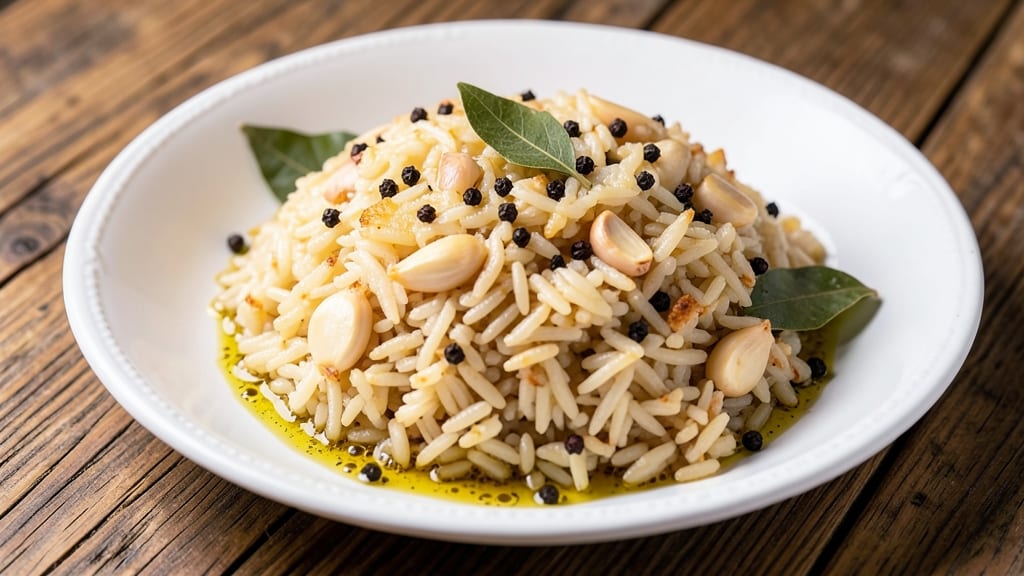
A Brazilian garlic rice recipe transforms simple white rice into a fragrant, golden masterpiece with layers of toasted garlic and smoky depth. This dish is the heart of Brazilian tables—where each grain absorbs aromatic oil until it shimmers with caramelized flavor. The secret lies in frying the garlic until deep amber, creating a rich base that elevates humble rice into something extraordinary.
Perfect as a side for feijoada or grilled meats, this recipe delivers restaurant-quality results with just 5 ingredients and 30 minutes of hands-on time. The texture is dry yet tender, with each bite releasing waves of garlic essence that make it impossible to stop eating.
Whether you're serving a crowd or treating yourself, this dish proves great food doesn't need complexity—just technique and patience.
Ingredients for brazilian garlic rice
Five essential ingredients transform ordinary rice into a fragrant, golden Brazilian masterpiece.
| Ingredient | Amount | Notes |
|---|---|---|
| Long-Grain White Rice 🍚 | 1 cup | Uncooked, jasmine or basmati preferred |
| Fresh Garlic Cloves 🧄 | 8 cloves | Unpeeled, whole for frying |
| Extra-Virgin Olive Oil 🫒 | ½ cup | High-quality, fruity variety |
| Bay Leaves 🌿 | 2 whole | Dried, for aromatic depth |
| Salt 🧂 | 1 tsp | Diamond Crystal preferred |
The garlic is non-negotiable—fresh, plump cloves with vibrant color fry best. Whole Foods or local markets often carry the best quality, but grocery store garlic works too if it's firm and unspotted. For the rice, jasmine or basmati grains hold up better to toasting than standard long-grain varieties. The bay leaves should be whole and aromatic; if they smell musty, replace them. Extra-virgin olive oil matters here—look for Italian or Spanish varieties with fruity notes for optimal flavor development.
No fresh bay leaves? Dried thyme at one-third the amount works in a pinch, though the flavor won't be identical. Running low on garlic? Garlic powder lacks the caramelization depth, but it's better than nothing. The olive oil can be swapped for avocado oil or refined coconut oil, though olive oil's fruity notes are ideal. For salt, Diamond Crystal kosher dissolves cleanly—avoid iodized table salt, which can impart off-flavors. If your rice is too dry after cooking, a splash of hot water revives it perfectly.
Store uncooked rice in an airtight container for up to 6 months in a cool, dark place. Whole garlic cloves last 2 weeks at room temperature or 6 months refrigerated. The bay leaves keep indefinitely in their original packaging. Cooked garlic rice reheats beautifully—simply toast in a dry pan for 2-3 minutes to restore crispness. Portion into glass containers for 3-4 days of fridge storage, or freeze for 3 months without compromising texture.
Why You'll Love This Recipe
- Garlic in Minutes: I swear, you’ll have this done faster than you can say "sauté." Just toast the rice in olive oil with those crushed garlic cloves until they’re golden—no soaking, no fuss. The rice absorbs the flavor like a sponge, and honestly? That’s half the battle won.
- Crave-Worthy Depth: Between us, that slow-cooked garlic and bay leaves turn this into something special. The rice gets this nutty, toasted edge with a soft center, while the garlic? It’s not just in there—it’s everywhere in the best way. My husband still steals bites straight from the pot.
- Leftover Goldmine: This rice keeps like a champ. Reheat it with a splash of water and a pinch of salt, and it’s just as good the next day—perfect for lunches or tossing into salads. I’ll be real: I’ve had it cold with grilled chicken, and it was still a win. Versatile doesn’t even cover it.
- Pantry Staple Magic: You’re using things you already have: rice, garlic, olive oil, salt. No exotic ingredients, no last-minute grocery runs. And since it’s just five things, it’s also my go-to when I’m broke but still want to eat well. (Yes, even on a Tuesday night.)
Step-by-step instructions for Brazilian garlic rice
Master this technique and you'll transform simple rice into a fragrant, nutty masterpiece with deep garlic flavor.
🍳 Step 1: Toast the Rice for Nutty Depth
Heat the 0.5 cup extra-virgin olive oil in a heavy-bottomed pot over medium heat. Add the 1 cup long-grain white rice and stir constantly for 5-7 minutes until the grains become translucent and develop a golden hue. This toasting process builds complex nutty flavors that set this dish apart from standard rice preparations.
The rice should release its starches and begin to smell toasty—almost like popcorn. If the oil starts to smoke excessively, reduce the heat slightly. I like to keep the rice moving with a wooden spoon, ensuring even exposure to the oil. This step is where the magic begins, so don't rush it.
🍳 Step 2: Fry the Garlic Until Golden Brown
Add the 8 unpeeled garlic cloves and 2 whole bay leaves to the pot. Cook for 3-5 minutes until the garlic cloves turn golden brown and crispy at the edges. You'll notice the kitchen filling with an intoxicating aroma—this is your cue that the garlic is developing its full flavor potential.
Here's the thing—don't remove the garlic skins yet. The unpeeled cloves will infuse the oil with their aromatic compounds more effectively. As they crisp, they'll release their flavor into the oil, which will then coat the rice. This technique creates that signature Brazilian garlic rice flavor that's both rich and complex.
🍳 Step 3: Add Water and Salt for Perfect Texture
Remove the garlic cloves and bay leaves, but leave the infused oil in the pot. Add 2 cups water (twice the volume of rice) and bring to a gentle boil. Stir once to distribute the rice evenly, then add the 1 teaspoon salt. Immediately reduce heat to low and cover with a tight-fitting lid.
The water should just come to a boil—don't let it roar. This gentle simmer is crucial for developing the rice's texture. The infused oil will create a subtle sheen on the grains, giving them that signature Brazilian finish. Let it cook undisturbed for 15 minutes—this is where patience pays off.
⏰ Step 4: Rest and Fluff for Ideal Consistency
Turn off the heat and let the rice steam for an additional 5 minutes with the lid still on. This resting period allows any remaining moisture to absorb evenly, preventing a gummy texture. Then, using a fork, gently fluff the rice from the bottom up to separate the grains and release any trapped steam.
If the rice feels slightly undercooked, you can return it to low heat for 2-3 minutes with the lid off, stirring occasionally. The final texture should be separate grains with a slight bite—neither mushy nor dry. The infused oil will give it a delicate sheen and that unmistakable garlic aroma that makes this dish so special.
Pro Tips For Making Brazilian Garlic Rice
- Toast the Garlic Right: After burning three batches, I finally figured out the garlic needs a slow, gentle sizzle—not a frenzied fry. Cook it over medium-low heat in the olive oil until it’s golden and fragrant (about 3-4 minutes), stirring often. Rush it, and you’ll get bitter, burnt bits instead of that sweet, nutty depth.
- Use the Right Oil Ratio: Brazilian garlic rice relies on that garlicky oil to coat every grain. Start with 2 tablespoons of extra-virgin olive oil per cup of rice—enough to generously coat the pan. If you skimp, the rice will dry out; if you overdo it, the garlic flavor gets diluted.
- Don’t Stir the Rice: Once the rice hits the water, resist the urge to stir. Let it sit undisturbed for 2 minutes to toast the bottom lightly—this builds flavor and prevents mushiness. After that, stir once to distribute the liquid, then let it cook low and slow.
- Add Bay Leaves Late: Toss the bay leaves in with the garlic at the very end—just before the rice absorbs the liquid. If you add them earlier, they’ll over-infuse and turn the rice bitter. Remove them right after the rice is cooked; they’re not meant to be eaten.
Pro cooking tips for perfect results
Garlic Infusion Secrets
Leave those garlic cloves unpeeled when frying—the skins protect the delicate flesh from burning while allowing the oil to absorb their aromatic compounds more deeply. I like to use 8 large, plump cloves (about 2 ounces total) because their size ensures even browning.
For extra flavor, lightly crush the cloves with the side of your knife before adding them to the pot—this releases more oils without turning to ash. 🧄
Heat Control Matters
Medium heat is your best friend here—too high and the garlic burns before caramelizing, turning bitter. Too low and it steams instead of developing that golden, crispy edge. I use a heavy-bottomed stainless steel pot (like All-Clad) to distribute heat evenly.
Watch the garlic closely after 3 minutes—it should start to sizzle and turn pale golden. If it darkens too quickly, reduce the heat immediately.
Rice Toasting Tricks
Toast the rice until it smells like nutty popcorn—this means the starches are breaking down and developing complex flavors. Use a wooden spoon to stir constantly, preventing hot spots. If the rice starts to brown too quickly, remove the pot from heat for 30 seconds to cool slightly.
I've found jasmine rice works best here because its grains hold up better to toasting than standard white rice.
Water Ratio Precision
The 2:1 water-to-rice ratio is non-negotiable for perfect texture. Too much water and you'll end up with mushy rice; too little and it'll be dry. I measure my water by volume (2 cups) rather than weight because it's more reliable when cooking with infused oils.
After adding water, bring to a gentle simmer—you should see small bubbles but no vigorous boiling. This controlled simmer ensures even cooking without breaking the grains.
Resting Technique
Never skip the 5-minute resting period—this allows the residual steam to distribute moisture evenly throughout the grains. I cover the pot with a towel-lined lid to trap heat while preventing condensation from dripping back onto the rice.
When fluffing, use a wide-tooth fork and work from the bottom up to separate the grains gently. This creates that signature Brazilian texture where each grain is distinct yet coated in flavorful oil.
Equipment Upgrades
For restaurant-quality results, invest in a tight-fitting lid with a small vent hole (like OXO Good Grips). This maintains consistent steam pressure while preventing the rice from becoming gummy. A digital thermometer helps monitor the oil temperature—ideal frying range is 325-350°F.
If you're short on time, a rice cooker with a sauté function (like Zojirushi NS-ZCC101) can handle the toasting step while maintaining precision for the rest. 💡
Nutrition facts
Frequently asked questions
Why do we fry the garlic cloves whole instead of mincing them?
Frying whole, unpeeled garlic cloves creates a deeper, more complex flavor profile. The skins protect the delicate flesh from burning while allowing the oil to absorb aromatic compounds more effectively. When minced, garlic burns quickly and loses its nuanced sweetness. The golden-brown cloves infuse the oil with layers of flavor that simply can't be achieved with pre-minced garlic.
Can I make this recipe vegetarian or vegan?
This recipe is naturally vegetarian since it only contains rice, garlic, oil, bay leaves, and salt. For a vegan version, ensure your olive oil is certified vegan (most are) and check that your bay leaves aren't processed with animal products. The flavor profile remains identical to the traditional version.
What if my rice turns out too dry or too mushy?
Too dry? Add 2 tablespoons hot water and cover for 2 minutes off heat. Too mushy? Return to low heat for 3-5 minutes uncovered, stirring gently to evaporate excess moisture. The key is precise water measurement—always use 2 cups water per 1 cup rice for perfect texture. For extra insurance, use a digital kitchen scale to measure rice by weight (1 cup = ~200g).
How do I store leftovers for best results?
Store in an airtight container in the fridge for up to 4 days. To reheat, spread on a baking sheet and warm in a 350°F oven for 10 minutes to restore crispness. For freezing, portion into single servings and freeze for up to 3 months. Thaw overnight in the fridge before reheating. The texture remains excellent when properly stored.
What's the best way to serve Brazilian garlic rice?
This aromatic rice pairs perfectly with Brazilian classics like feijoada, grilled meats, or fried fish. It also works as a standalone dish with a sprinkle of fresh parsley and a squeeze of lemon. For extra flair, serve in individual bowls with crispy fried shallots on top. The rich garlic flavor complements both hearty mains and light salads equally well.