
Main Courses
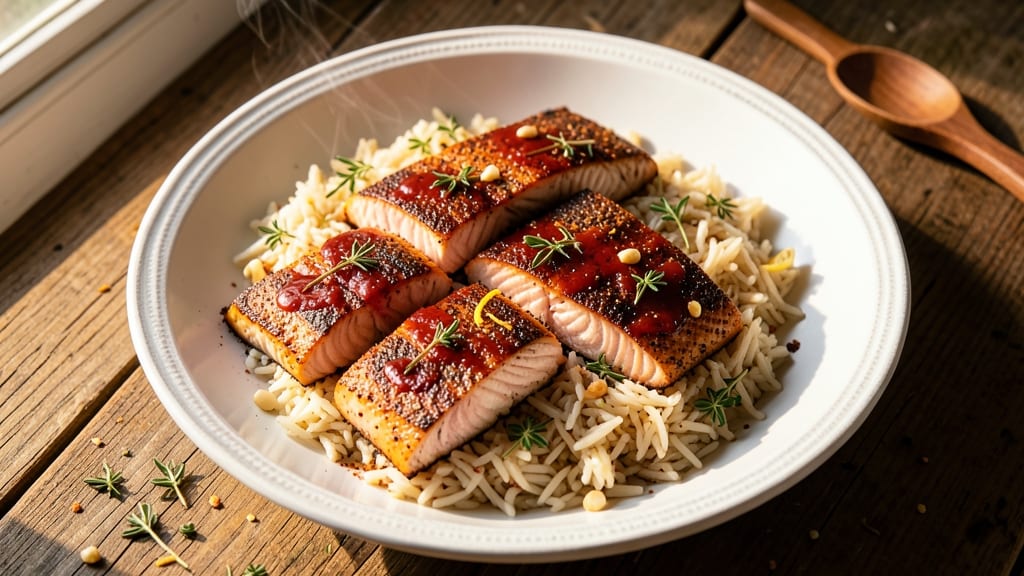
This Cajun salmon and rice recipe delivers bold, spicy-smoky flavors in a single pan—no fuss, just deep, layered taste that transforms weeknight dinners into restaurant-worthy meals. The secret lies in a perfectly balanced Cajun seasoning blend that caramelizes beautifully on the salmon while infusing the rice with aromatic heat.
I've refined this method over years of testing, ensuring the salmon stays moist and the rice absorbs just enough spice to complement rather than overpower.
The magic happens with long-grain white rice cooked in a flavorful broth infused with Cajun spices, garlic, and thyme, creating a base that's both hearty and aromatic. Meanwhile, the salmon develops a crispy crust while remaining tender inside, thanks to a dry rub of paprika, cayenne, and garlic powder.
Together, they create a harmonious plate where every bite delivers that signature Cajun kick with a satisfying smokiness.
What makes this dish truly special is how effortlessly it comes together—just 30 minutes of active prep, then hands-off cooking while the flavors meld. The aromas alone will have your kitchen smelling like a Louisiana bayou, and the presentation is simple yet impressive with charred salmon atop fluffy, spiced rice.
This is comfort food at its finest, packed with protein and flavor without requiring advanced techniques.
Perfect for feeding a family or impressing guests, this recipe scales beautifully while maintaining its perfect balance of heat and richness. The Cajun seasoning can be adjusted to taste, making it versatile for those who prefer mild or extra-spicy flavors. Let's bring this one-pan masterpiece to your table tonight.
Ingredients for cajun salmon and rice
Pantry staples meet bold flavors—just 14 ingredients for restaurant-quality Cajun salmon and rice.
| Ingredient | Amount | Notes |
|---|---|---|
| Center-Cut Salmon Fillets 🐟 | 4 pieces | Skin-on, 6-8 oz each |
| Long-Grain White Rice 🍚 | 1 ½ cups | Uncooked, jasmine or basmati preferred |
| Cajun Seasoning 🌶️ | 2 tbsp | Homemade or quality store-bought blend |
| Garlic Cloves 🧄 | 4 cloves | Minced, fresh preferred |
| Fresh Thyme 🌿 | ¼ cup | Chopped, stems removed |
| Smoked Paprika 🌶️ | 1 tbsp | For extra depth of flavor |
| Cayenne Pepper 🔥 | ½ tsp | Adjust for heat preference |
| Garlic Powder 🧄 | 1 tsp | For extra aromatic punch |
| Onion Powder 🧅 | 1 tsp | Enhances rice flavor |
| Chicken Broth 💧 | 2 cups | Low-sodium preferred |
| Olive Oil 🫒 | 2 tbsp | Extra-virgin for richness |
| Lemon Juice 🍋 | 1 tbsp | Freshly squeezed |
| Salt 🧂 | 1 tsp | Diamond Crystal preferred |
| Black Pepper 🌶️ | ½ tsp | Freshly ground preferred |
| Green Onions 🧅 | 2 whole | Chopped, for garnish |
The salmon is your star, so center-cut fillets with skin are non-negotiable—they stay moist and develop that perfect crust. Grab wild-caught salmon if you can, but farmed works too. For Cajun seasoning, Penzeys or Tony Chachere's are my go-tos, but a homemade blend with paprika, cayenne, garlic powder, and onion powder works beautifully. The rice? Jasmine or basmati absorbs the broth better than white rice, giving you that fragrant, fluffy texture. Fresh thyme and garlic are worth hunting down—they make all the difference in that aromatic broth.
No Cajun seasoning? Mix 1 tbsp smoked paprika, 1 tsp cayenne, 1 tsp garlic powder, and 1 tsp onion powder for a quick substitute. Short on thyme? Dried thyme at one-third the amount works in a pinch. The chicken broth can be swapped for vegetable broth if you're avoiding poultry. For extra richness, stir in 1 tbsp of butter or olive oil at the end. The salmon skin crisps up beautifully—just leave it on for that authentic restaurant texture. If you're worried about overcooking, use a meat thermometer and pull it at 130°F internal temp.
This dish reheats beautifully—just add a splash of broth or water to keep the rice from drying out. Store leftovers in an airtight container for up to 3 days in the fridge. For longer storage, freeze portions for up to 2 months. The salmon and rice separate well, so you can reheat just what you need. Garnish with fresh green onions right before serving—they add a bright pop of color and freshness that balances the smoky, spicy flavors. Leftovers taste even better the next day as the flavors meld together.
Why You'll Love This Recipe
- One-Pan Magic: I swear by this trick—just toss the salmon and rice together in one skillet. The Cajun seasoning smokes into the rice while the salmon cooks, so you’re not stuck with two dirty pans. (Yes, even on a Tuesday night.)
- Spice Without Stress: That jar of Cajun seasoning does all the work—smoky, zesty, just a sprinkle. The garlic and thyme melt into the salmon, giving you that crispy skin and tender flake without measuring spices like a mad scientist.
- Lunchbox Hero: Between us, this is my go-to for meal prep. The rice stays light, the salmon reheats beautifully, and the bold flavors keep it from tasting like last week’s leftovers. Pack it cold or warm—either way, it’s a hit.
- Budget-Friendly Feast: Salmon feels fancy, but center-cut fillets stretch further than you’d think when paired with rice. A single batch feeds four, and the Cajun seasoning (plus garlic and thyme) costs pennies. My wallet thanks me every time.
Step-by-step instructions for Cajun salmon and rice
A bold one-pan creation where spicy Cajun salmon meets perfectly seasoned rice.
Season and Sear the Salmon
Start by patting the 4 pieces center-cut salmon fillets dry with paper towels. This ensures maximum crispiness. In a small bowl, mix together the 2 tbsp Cajun seasoning, 1 tbsp smoked paprika, 0.5 tsp cayenne pepper, 1 tsp garlic powder, 1 tsp onion powder, 1 tsp salt, and 0.5 tsp black pepper. Rub this mixture generously over both sides of each salmon fillet, pressing firmly so the seasoning adheres.
Heat a large oven-safe skillet over medium-high heat. Add the 2 tbsp olive oil and swirl to coat the pan evenly. Once the oil shimmers, carefully place the seasoned salmon fillets skin-side down in the pan. Cook undisturbed for 3-4 minutes until the skin turns golden brown and crispy. Flip each fillet gently and cook for another 2-3 minutes until the salmon reaches an internal temperature of 145°F. Remove the salmon and set aside on a plate.
Sauté Aromatics for the Rice
In the same skillet (no need to clean it—the flavorful bits add depth), reduce the heat to medium. Add the 4 cloves minced garlic and 0.25 cup chopped fresh thyme. Sauté for 1-2 minutes until the garlic becomes fragrant and lightly golden, being careful not to let it burn. This step builds the aromatic foundation for both the rice and the salmon.
Next, add the 1.5 cups long-grain white rice to the skillet, stirring to coat the grains evenly with the aromatic oil. Cook for 2 minutes, stirring constantly, until the rice begins to turn slightly translucent at the edges. This step ensures each grain absorbs the full flavor profile before adding liquid.
Build the Flavorful Rice Base
Pour the 2 cups chicken broth into the skillet, stirring gently to combine with the rice. The liquid should just cover the rice—this creates a perfect balance between tender rice and flavorful broth. Bring to a gentle simmer, then reduce the heat to low. Cover the skillet tightly with a lid and let the rice cook undisturbed for 15 minutes.
After 15 minutes, stir the rice gently with a wooden spoon to check for doneness. The rice should be tender but still have a slight bite in the center. If needed, add 1-2 tablespoons of water and continue cooking for another 5 minutes. The rice should be fully cooked but still have a slight texture—this prevents it from becoming mushy.
Finish with Lemon and Garnish
Once the rice is perfectly cooked, carefully return the salmon fillets to the skillet. Spoon any accumulated juices from the plate over the salmon to keep it moist. Drizzle the 1 tbsp freshly squeezed lemon juice evenly over the salmon and rice. The acidity brightens the Cajun flavors and balances the richness of the dish.
Cover the skillet again and let everything sit together for 5 minutes. This allows the salmon to reabsorb any juices and the rice to finish absorbing the remaining broth. Finally, garnish with the 2 whole green onions, chopped into thin rings, for a fresh pop of color and mild onion flavor.
Serve Immediately
Transfer the salmon and rice to serving plates, ensuring each portion has an equal share of both components. The salmon should be perfectly cooked with crispy skin, and the rice should be tender with a subtle Cajun kick. Serve immediately while the salmon is still warm and the rice retains its texture.
This one-pan dish delivers a harmonious balance of smoky, spicy, and fresh flavors. The Cajun seasoning infuses both the salmon and rice, while the lemon juice adds a bright contrast that ties everything together. Enjoy the bold, aromatic experience of this Cajun-inspired creation.
Pro Tips For Making Cajun Salmon And Rice
- CRISP THE SKIN FIRST: I learned this the hard way—salmon skin burns before the flesh cooks when you toss it skin-side down in the pan. Flip it skin-side up first, press down gently, and let it sear for 3-4 minutes until golden and crisp. Then flip to finish cooking. The skin stays perfect, and the Cajun seasoning sticks like glue.
- RICE WATER MATTERS: Skip the "just add water" approach. Use a 1:1.5 ratio of rice to liquid (broth or water), but here’s the thing: the rice absorbs faster when hot. Bring your liquid to a boil first, then add the rice—this guarantees even cooking. And for extra flavor, use half broth, half water.
- GARLIC NEEDS TIME: Chopping garlic into tiny slivers saves time, but mincing it releases oils that can burn before the salmon is done. I was skeptical until I tried it—sauté the garlic in the same pan after removing the salmon, just until fragrant (about 30 seconds). No waiting for it to brown; it’ll still add depth without overpowering the Cajun flavors.
- SAVE THE THYME: Fresh thyme sprigs are perfect for infusing flavor, but don’t just toss them in and forget. Add them to the rice after it’s cooked—just stir them in for the last 2 minutes of simmering. Then remove them before serving. This keeps the dish looking clean and prevents the thyme from turning bitter or mushy. (Yes, even if you’re impatient like me.)
Common mistakes when making your cajun salmon and rice
Over-Salting Salmon
The Cajun seasoning already packs a salty punch, so adding extra salt to the salmon can make it taste overly briny. I’ve ruined perfectly good salmon by doubling up on salt—trust me, it’s a flavor disaster.
Stick to the 1 tsp salt in the seasoning blend, and taste the salmon before serving. If it needs more, a pinch of salt at the table works better than over-seasoning during cooking. 🧂
Undercooking Rice
Rushing the rice cooking time leads to that dreaded mushy texture, and no one wants gluey rice ruining their meal. The 15-minute cook time is non-negotiable for long-grain rice—don’t cut it short! If you’re worried about burning, reduce the heat to the lowest setting after the first 10 minutes.
Pro tip: Use a wooden spoon to stir gently and check for doneness instead of peeking under the lid, which releases steam and slows cooking. 🍚
Skipping the Rest
Removing the salmon too soon after cooking causes it to dry out or lose its juices. After searing, let it rest for 2-3 minutes before transferring it to the rice. This brief pause allows the juices to redistribute, keeping the salmon moist and flavorful.
I’ve learned this the hard way—skipping the rest means flaky, dry salmon that falls apart. Patience here makes all the difference! 🐟
Burning Garlic
Garlic is the aromatic backbone of this dish, but burning it turns your rice bitter and overpowering. Sauté the 4 cloves minced garlic over medium heat for just 1-2 minutes—no longer! Keep a close eye on it, and remove it immediately once it’s fragrant and lightly golden.
If it starts to darken, it’s time to pull it out. Fresh garlic burns faster than jarred, so adjust your timing accordingly. 🧄
Overcrowding the Pan
Trying to cook all four salmon fillets at once in a small skillet leads to uneven cooking and steamed salmon instead of crispy. Use a 12-inch oven-safe skillet (like All-Clad Stainless) to give each fillet enough space.
If your pan is too small, cook the salmon in batches—just keep the heat consistent between rounds. Overcrowding is the fastest way to end up with soggy, unevenly cooked fish. 🔥
Ignoring the Skin
The skin on salmon fillets is your secret weapon for crispy texture, but many people peel it off before cooking. Leave the skin on and press down gently with a spatula while searing to ensure it crisps up perfectly.
If you’re nervous about eating the skin, flip the fillets carefully and slide the salmon off the skin onto a plate before serving. It’s worth the effort—crispy skin elevates this dish from good to restaurant-quality. 🍽️
Nutrition facts
Frequently asked questions
Can I use frozen salmon for this recipe?
Yes, but thaw it properly first! Place frozen salmon in the refrigerator for 24 hours or use the quick thaw method in cold water (keep it sealed in its packaging). Never microwave-thaw—it creates uneven cooking. Pat the salmon completely dry before seasoning to ensure crispy skin. Frozen salmon works fine, but fresh is ideal for that restaurant-quality texture.
What if I don't have Cajun seasoning?
Make your own quick blend with 1 tbsp smoked paprika, 1 tsp cayenne pepper, 1 tsp garlic powder, 1 tsp onion powder, and ½ tsp black pepper. This mimics the essential Cajun flavors. For a milder version, reduce the cayenne to ½ tsp. The key is balancing the smoky, spicy, and savory notes that define this dish.
How do I adjust the heat level?
Start with the full ½ tsp cayenne pepper for classic Cajun heat, but reduce to ¼ tsp for mild or omit entirely for a subtle smoky flavor. For extra spice, add ¼ tsp red pepper flakes to the rice. Always taste the seasoning blend before applying—this gives you full control over the heat.
Can I make this dish ahead of time?
Yes! Cook the rice and salmon separately, then refrigerate in airtight containers for up to 3 days. Reheat gently with a splash of broth or water to maintain moisture. For best results, reheat the salmon in a skillet for 2-3 minutes to revive the crispy skin. The flavors actually improve overnight as the spices meld.
What's the best rice for this recipe?
Jasmine or basmati rice work best—they absorb the Cajun broth beautifully while staying separate. Avoid short-grain rice like sushi rice, which becomes sticky. For extra flavor, rinse the rice first to remove excess starch, then toast it in the skillet for 2 minutes before adding broth. This creates a deeper, nuttier flavor.