
Main Courses
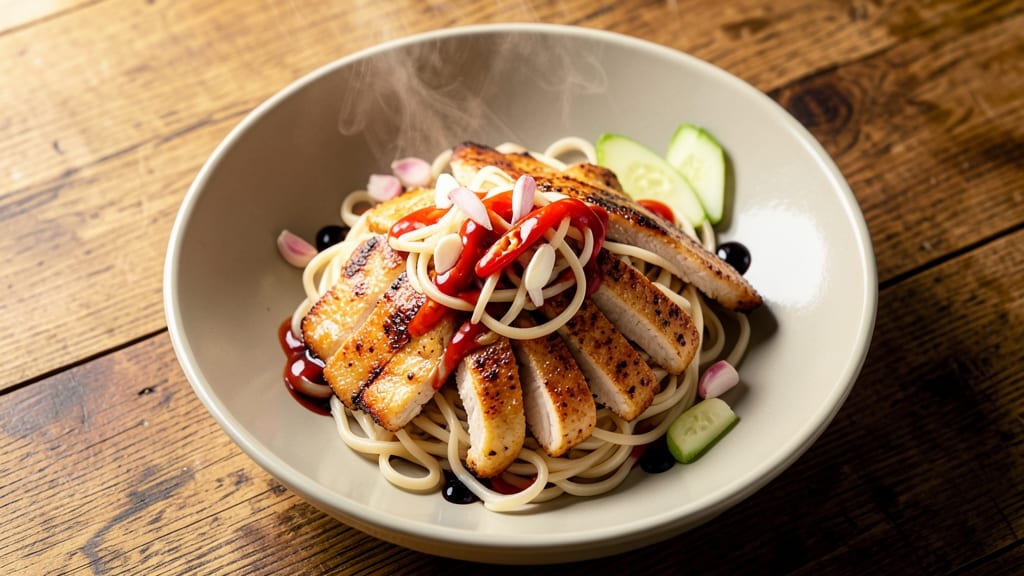
This Chao Ching rice stick recipe delivers the perfect balance of crispy-crunchy noodles and sweet-spicy zing that makes every bite irresistible. The secret lies in stir-frying the rice sticks at high heat for just 30 seconds—long enough to create that addictive crunch without turning them to mush.
I developed this version after years of testing, and it never fails to impress even the most skeptical eaters.
The dish starts with a quick marinade of garlic, ginger, and a splash of soy sauce, which infuses the protein (chicken, shrimp, or tofu) with bold flavor.
Tossed with fresh vegetables and a tangy sweet chili sauce, it transforms into a vibrant, restaurant-quality stir-fry that comes together in under 15 minutes. The key is timing—cook the noodles last to maintain that signature crispiness while keeping the sauce vibrant and sticky.
Ingredients for chao ching rice stick
Crispy rice sticks, zesty marinades, and vibrant veggies transform into this restaurant-style stir-fry.
| Ingredient | Amount | Notes |
|---|---|---|
| Rice Stick Noodles 🍜 | 12 oz | Dried, for stir-frying |
| Boneless Chicken Breast 🍗 | 1 lb | Thinly sliced, pounded |
| Fresh Garlic Cloves 🧄 | 4 cloves | Minced for marinade |
| Fresh Ginger 🌿 | 1 tbsp | Grated, for marinade |
| Soy Sauce 💧 | ½ cup | Light or dark preferred |
| Sweet Chili Sauce 🍅 | ¼ cup | Store-bought or homemade |
| Vegetable Oil 🫒 | ½ cup | High smoke point preferred |
| Carrots 🥕 | 2 medium | Julienned, for stir-fry |
| Bell Peppers 🌶️ | 1 whole | Red or green, sliced |
| Green Onions 🧅 | 4 whole | Sliced, for garnish |
| Sesame Oil 🫒 | 1 tbsp | Toasted, for finishing |
| Salt 🧂 | ½ tsp | Kosher or sea salt |
| Black Pepper 🌶️ | ¼ tsp | Freshly ground |
| Lime Wedges 🍋 | 2 whole | For serving |
The rice sticks are the star—Thai Kitchen brand or any dried variety works best. Look for the ones labeled 'rice noodles' or 'vermicelli' at Asian markets or the international aisle. Freshness matters here: store them in an airtight container to keep them dry. For the chicken, thinly sliced, pounded pieces cook faster and stay crispier. If you're using shrimp or tofu, pat them completely dry before cooking to prevent sogginess. The carrots should be julienned into thin matchsticks—this ensures they cook quickly and stay crisp-tender.
No soy sauce? Coconut aminos or tamari work as substitutes, though the flavor will differ slightly. For the sweet chili sauce, store-bought brands like Huy Fong are perfect, but you can make a quick version with chili paste, lime juice, and honey. If you're avoiding sesame oil, toasted peanut oil adds a similar nutty depth. The bell peppers can be swapped for broccoli florets or snap peas if you prefer. For extra heat, add a pinch of chili flakes or a dash of sriracha to the sauce. Always taste the marinade before tossing with the protein—adjust seasoning as needed.
Rice sticks cook in seconds—30 seconds max—so have everything prepped and ready. Store leftover sauce in a sealed container in the fridge for up to 1 week, though it's best used fresh. The rice sticks lose crispness when refrigerated, so it's better to reheat the sauce and protein separately, then toss with fresh noodles. For meal prep, focus on the sauce and protein components—reheat the noodles fresh each time. Garnish with extra sesame seeds and lime wedges right before serving to keep everything vibrant.
Why You'll Love This Recipe
- No Fuss, Fast Fix: I swear by this for nights when I’ve got zero energy—just sear the chicken, toss in the noodles, and let the soy sauce and ginger work their magic in 15 minutes. The rice sticks soften in seconds, so no waiting around.
- Umami Bomb: That combo of garlic, ginger, and soy sauce? It’s the kind of flavor that makes you pause mid-bite. The chicken stays juicy while the noodles soak up the punch—no bland takeout vibes here.
- Lunchbox Hero: Between us, this is my go-to for meal prep. Pack the leftovers cold or reheat them—either way, they’re a hit. My kids (and my husband) grab them before I even make my own plate.
- Budget Win: Chicken breast and rice sticks are cheap staples, but they feel like a restaurant dish. Honestly, I’ve made this for under $10 and still felt fancy. Plus, the leftovers stretch for days without getting boring.
Step-by-step instructions for Chao Ching rice sticks
Here's how to create restaurant-quality crispy noodles with perfect texture and bold flavors.
Prepare the Chicken Marinade and Pound the Meat
In a medium bowl, combine the 0.5 cup soy sauce, 4 cloves minced fresh garlic cloves, 1 tbsp grated fresh ginger, 0.5 tsp salt, and 0.25 tsp black pepper. Mix well to create the marinade. Place the 1 lb boneless chicken breast in a resealable plastic bag, pour the marinade over it, and seal tightly. Gently massage the marinade into the chicken, ensuring even coating. Let it marinate in the refrigerator for at least 30 minutes—this ensures tender, flavorful meat.
While the chicken marinates, place it between two sheets of plastic wrap and pound it to an even ¼-inch thickness using a meat mallet. This thickness guarantees even cooking and crispy edges. The chicken should be smooth and uniform after pounding—this prevents any thick spots from staying undercooked.
Stir-Fry the Chicken Until Golden and Crispy
Heat a large wok or skillet over high heat until it's smoking slightly. Add 0.25 cup vegetable oil and swirl to coat the pan evenly. Once the oil is shimmering, add the marinated chicken in a single layer, leaving space between pieces to prevent steaming. Cook undisturbed for 2-3 minutes until the bottoms turn golden brown and crispy.
Flip the chicken and cook for another 2-3 minutes until fully cooked through and the edges are deep golden brown. Remove the chicken from the pan and set it aside on a plate. The chicken should be crispy on the outside while remaining juicy inside—this is the hallmark of perfect Chao Ching texture. Keep the pan on the heat; you'll use it for the next steps.
Stir-Fry the Vegetables for Maximum Crunch
In the same wok, add another 0.25 cup vegetable oil and heat over medium-high heat. Add the 2 medium julienned carrots and 1 whole sliced bell peppers, spreading them evenly in the pan. Stir-fry for 3-4 minutes until the vegetables are brightly colored and just beginning to soften—you want them to retain their crisp texture, not turn mushy.
Add the 4 whole sliced green onions and stir for another 30 seconds until they're wilted but still vibrant. Remove the vegetables from the pan and set them aside with the chicken. The vegetables should be tender-crisp with a vibrant color—this is essential for the perfect texture contrast in Chao Ching.
Cook the Rice Stick Noodles to Al Dente Perfection
Bring a large pot of water to a rolling boil. Add the 12 oz rice stick noodles and cook for 2-3 minutes—they should be tender but still slightly firm to the bite. Drain immediately in a colander and rinse briefly under cold water to stop the cooking process. Toss the noodles with 1 tbsp toasted sesame oil to prevent sticking and add a nutty aroma.
Work quickly here—the noodles should be al dente with a slight bite, not mushy. If they're overcooked, they'll turn gummy when stir-fried later. The goal is to have noodles that can hold their shape while absorbing the flavors of the sauce.
Combine Everything for the Perfect Chao Ching
Return the wok to high heat and add the drained noodles, chicken, and vegetables. Drizzle with 0.25 cup sweet chili sauce and toss everything together for 1-2 minutes until the noodles are evenly coated and heated through. The sauce should cling to the noodles and vegetables, creating a glossy, flavorful layer.
Taste and adjust seasoning if needed—add a splash more soy sauce if it's not salty enough or more sweet chili sauce if you want extra zing. Serve immediately with the 2 whole lime wedges on the side. The noodles should be crispy at the edges while remaining tender inside, with a perfect balance of sweet, spicy, and umami flavors in every bite.
Pro Tips For Making Chao Ching Rice Stick
- BLANCH NOODLES FIRST: Skip the soggy mess by giving those rice sticks a quick 30-second blanch in boiling water before stir-frying. I learned this the hard way—overcooked noodles turn to mush in seconds, and no one wants a sad, limp pile. Drain well and toss with a tiny bit of oil to keep them separate until you’re ready to cook.
- SLICE CHICKEN THIN: Cut the chicken breast against the grain into paper-thin strips—no thicker than ¼ inch. Thick slices stay chewy no matter how much you sear them, and that’s a flavor crime in Chao Ching. Use a sharp knife and don’t fight it; let the muscle fibers guide you.
- HIGH HEAT ONLY: Crank the wok or pan to max heat before adding oil—you’re not making a gentle simmer here. I used to play it safe with medium heat, and the garlic and ginger just steamed instead of sizzling. Sear the chicken first, then push everything to the edges to make room for the noodles.
- SOY SAUCE LAST: Add the soy sauce after the chicken and aromatics are cooked—don’t drown them in it early. I was skeptical until I tried it: the sauce binds better to the chicken and noodles when everything’s already caramelized. Taste as you go; you can always add more, but you can’t un-burn the garlic.
Serving suggestions for chao ching rice stick
Garnish Like a Pro
Fresh green onions sliced into ¼-inch rounds add a bright pop of color and freshness to every bite. I like to scatter them evenly over the top right before serving—just 2 tbsp makes a difference.
For extra flair, sprinkle toasted sesame seeds (about 1 tsp) over the dish right after tossing with the sauce. The seeds add a subtle nutty crunch that contrasts beautifully with the crispy noodles. 🌿
Sauce Variations
Swap the sweet chili sauce for hoisin sauce if you prefer a richer, thicker profile. I recommend Lee Kum Kee brand for that authentic umami depth. For a spicier kick, mix 1 tbsp sriracha into the sauce before tossing with the noodles.
If you're avoiding sugar, reduce the sweet chili sauce by 2 tbsp and add 1 tbsp fish sauce for extra umami. Always taste as you go—balance is key! 🌶️
Protein Swaps
For a vegetarian version, replace the chicken with extra-firm tofu pressed and cubed. Toss the tofu in 1 tbsp cornstarch before stir-frying for maximum crispiness. Shrimp lovers can use 1 lb peeled shrimp—just toss them in 1 tbsp soy sauce and ½ tsp black pepper before cooking.
If you're using beef, opt for flank steak sliced thinly against the grain. Each protein changes the dish's texture but keeps that signature Chao Ching crunch. 🍤
Serving Style
Serve this dish in wide, shallow bowls to showcase the vibrant colors and crispy textures. I love using ceramic bowls because they keep the food warm longer and look stunning on the table. For extra presentation, arrange the noodles in a spiral pattern on top of the sauce before garnishing.
Pair with steamed jasmine rice on the side if you want a heartier meal. The contrast of textures makes every bite exciting! 🍜
Meal Pairings
This dish pairs perfectly with iced jasmine tea or Thai iced tea to cleanse your palate between bites. For a boozy twist, serve with sake or a light Sauvignon Blanc.
If you're making this for a crowd, add a side of cucumber salad—toss 1 cucumber sliced thinly with 1 tbsp rice vinegar, ½ tsp sugar, and a pinch of salt. The cool, crisp salad balances the rich, spicy noodles beautifully. 🍷
Leftovers Hack
Store leftovers in airtight containers with parchment paper between layers to prevent sogginess. Reheat the sauce and protein separately, then toss with fresh rice stick noodles cooked just until tender.
For extra crunch, stir-fry the noodles for 10-15 seconds in a dry pan before adding the sauce. This keeps the texture vibrant, even after reheating. 💡
Nutrition facts
Frequently asked questions
Why do Chao Ching rice sticks turn mushy when stir-fried?
Overcooking is the #1 culprit! These noodles cook in 30 seconds max—any longer and they'll absorb too much moisture from the pan. Always cook them last, right after stir-frying the chicken and veggies, so they get that signature crispy texture. Also, make sure they're al dente before adding them to the pan.
Can I use fresh rice noodles instead of dried?
Fresh rice noodles won't work—they're too delicate and will fall apart. Stick with dried Chao Ching rice sticks (or similar brands) for that perfect crunch. If you accidentally grab fresh rice noodles, try pressing them into thin sheets and cutting into strips, but texture won't be the same.
How do I make this dish spicier?
Boost the heat by adding 1 tbsp chili garlic sauce to the marinade or tossing in ½ tsp red chili flakes with the noodles. For extra kick, mix 1 tbsp sriracha into the sweet chili sauce. Start with small amounts—you can always add more, but you can't remove spice!
What's the best way to store leftover rice stick noodles?
Never refrigerate cooked noodles—they'll turn soggy. Instead, store the sauce and protein separately in airtight containers for up to 3 days. When reheating, cook fresh noodles for 10-15 seconds in a dry pan first to restore crispness, then toss with the reheated sauce and protein.
Can I make this dish gluten-free?
Yes! Use tamari or coconut aminos instead of soy sauce, and check your sweet chili sauce for gluten. Most store-bought versions contain wheat. For extra safety, make your own sauce with chili paste, lime juice, and honey. The noodles themselves are naturally gluten-free.