
Side Dishes
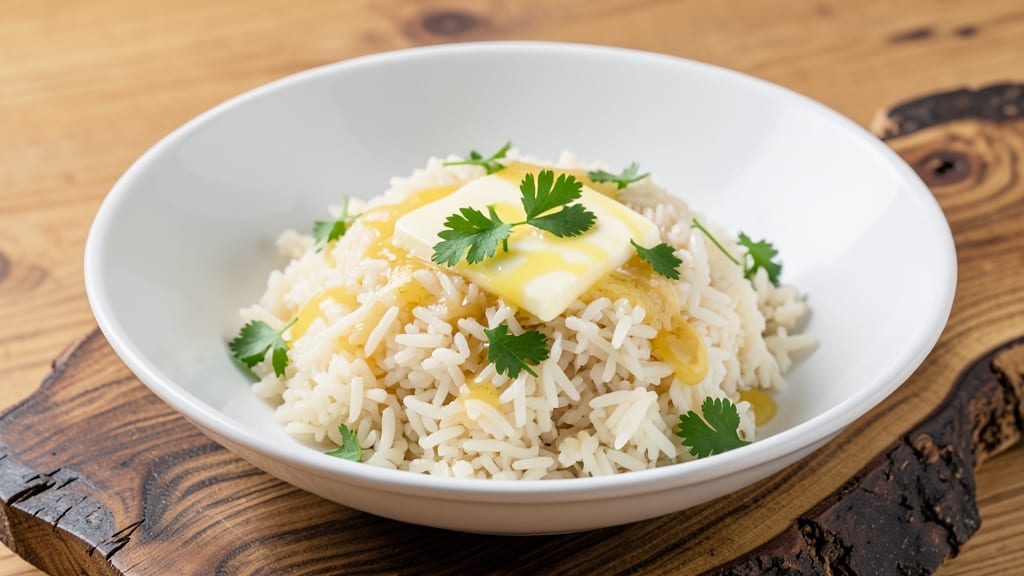
Mastering the steamed white rice recipe transforms a basic side dish into a restaurant-quality foundation for any meal. The secret lies in precise water ratios and gentle steaming—techniques that ensure light, fluffy grains with perfect separation every time.
After years of testing methods, I’ve refined this approach to eliminate mushy results while keeping the process simple and foolproof.
This method works equally well on the stovetop or in a rice cooker, giving you consistent texture whether you're cooking for two or a crowd. The key steps—proper rinsing, controlled water levels, and minimal disturbance during steaming—create that ideal balance between tender yet distinct grains.
No special equipment is needed beyond what you already have in your kitchen.
What you’ll end up with is white rice that’s impossibly light, with each grain separate and fluffy enough to hold sauces beautifully. The aroma alone signals a meal ready to elevate—whether paired with stir-fries, curries, or simple protein dishes.
For extra richness, finish with a pat of butter or a sprinkle of herbs, but the base recipe delivers perfection on its own.
Perfect for meal prep or last-minute sides, this rice recipe builds the foundation for countless dishes. The technique scales effortlessly, and leftovers reheat without losing texture. Let’s get started on creating your perfect steamed white rice—light, fluffy, and always reliable.
Ingredients for steamed white rice
Eight simple ingredients create restaurant-quality rice every time—light, fluffy, and perfectly separated.
| Ingredient | Amount | Notes |
|---|---|---|
| Long-Grain White Rice 🍚 | 2 cups | Uncooked, like jasmine or basmati |
| Water 💧 | 2 ½ cups | Room temperature preferred |
| Unsalted Butter 🧈 | 2 tbsp | Cold, for finishing touch |
| Salt 🧂 | ¼ tsp | Fine sea salt preferred |
| Fresh Lemon Juice 🍋 | 1 tsp | Brightens flavor, optional |
| Fresh Parsley 🌿 | ¼ cup | Chopped, for garnish |
| Garlic Cloves 🧄 | 1 whole | Minced, optional aroma boost |
| Extra-Virgin Olive Oil 🫒 | 1 tbsp | For drizzling, optional richness |
The rice is everything here. Jasmine or basmati are my go-tos—they stay separate and fluffy, but any long-grain white rice works. Trader Joe's or Whole Foods carry great options, but the bulk bins at regular grocery stores are fine too. Just make sure it's not pre-cooked or instant—those won't give you that perfect texture. The water ratio is non-negotiable: 2.5 cups for 2 cups of rice. Don't eyeball it. And for the love of rice, rinse it thoroughly until the water runs clear—that removes excess starch and prevents gummy grains. I use a fine-mesh strainer and do it in batches if needed. Trust me on this step.
No lemon juice? Skip it—it's optional, but it adds a bright finish that keeps the rice tasting fresh. Fresh parsley is ideal, but dried parsley at one-third the amount works in a pinch. Want extra flavor without extra effort? Add a whole garlic clove to the water while cooking—it infuses the rice beautifully without needing to mince it. The butter is where you can get fancy: European-style butter melts more smoothly than American brands. And if you're feeling lazy, olive oil instead of butter gives it a Mediterranean twist. Just don't skip the salt—it balances the whole dish.
This rice reheats like a dream—just sprinkle a few drops of water and microwave for 30 seconds. Keeps perfectly in the fridge for 4-5 days if stored in an airtight container. For meal prep, I make a big batch on Sunday and portion it out. Freezes beautifully too—just thaw overnight in the fridge before reheating. The key to storage is keeping it covered to prevent drying out. And if you're cooking for a crowd, double the recipe—it scales perfectly. The secret to perfect rice? It's all in the steaming process, but these ingredients set you up for success every time.
Why You'll Love This Recipe
- Five-Ingredient Magic: I swear by this recipe because it’s the bare minimum you need to make rice taste like it belongs in a fancy restaurant. Butter and lemon juice? That’s all it takes to turn plain rice into something bright, buttery, and just a little luxurious—no fancy ratios, no guesswork.
- Leftover Hero: Between us, this rice reheats like a dream. Cold from the fridge? Still perfect. Microwaved? Still fluffy. I’ve packed it in lunches for a week straight, and it never turns dry or sad. That butter keeps it tender, and the lemon keeps it from tasting stale.
- Budget Blank Canvas: Long-grain rice is cheap, and these ingredients won’t break the bank. But here’s the kicker—it’s so neutral it pairs with everything. Curry? Check. Grilled chicken? Done. Even just butter and salt? Still delicious. It’s my go-to when I’m not sure what I’m making but know I need rice.
Step-by-step instructions for steamed white rice
Here's the foolproof method for restaurant-quality rice every time—light, fluffy, and with perfect grain separation.
Rinse the Rice Thoroughly
Place the 2 cups of long-grain white rice in a fine-mesh strainer and rinse under cold running water for about 30 seconds. Swirl the rice gently with your fingers to dislodge excess starch—this is what causes sticky rice. Keep rinsing until the water runs completely clear, which usually takes about 1 minute. The goal is to remove surface starch without breaking the grains.
Drain the rice completely and give it a final shake in the strainer. I like to tap the strainer against the sink a few times to remove any lingering water droplets. This step is absolutely critical for achieving that light, separate texture we're after. Don't skip it—trust me, your rice will thank you later.
Combine Rice and Water in a Pot
Transfer the rinsed rice to a medium-sized saucepan with a tight-fitting lid. Add exactly 2.5 cups of water and the ¼ teaspoon of salt. Stir gently once with a wooden spoon to distribute the salt evenly. The ratio of 2 cups rice to 2.5 cups water gives us that perfect 1:1.25 ratio that produces fluffy, individual grains.
Here's the thing—don't use a metal spoon for stirring. Wood is gentler on the grains and won't affect the cooking process. Bring the mixture to a full boil over medium-high heat. Once boiling vigorously, immediately reduce heat to medium-low. You want to maintain a gentle simmer—not a rolling boil—from this point forward.
Steam the Rice to Perfection
Place the lid on the pot and seal it tightly. Cook for exactly 12 minutes without lifting the lid. This is where the magic happens—steaming creates that light, fluffy texture we're after. After 12 minutes, turn off the heat completely but leave the lid on. Let the rice sit undisturbed for another 10 minutes. This resting period allows the steam to finish cooking the rice evenly and redistribute the moisture.
I know it's tempting to peek, but resist! Every time you lift that lid, you release steam and potentially dry out the rice. The rice is done when you see the grains have separated completely and there's no liquid left in the pot. If you're unsure, you can carefully lift the lid slightly to check—just don't let all the steam escape.
Fluff and Finish with Butter and Aromatics
After the resting period, remove the lid and gently fluff the rice with a fork, being careful not to mash the grains. This step is what creates those beautiful air pockets between the grains. Add the 2 tablespoons of cold unsalted butter and the 1 tablespoon of extra-virgin olive oil. Use a fork to distribute them evenly throughout the rice.
Now for the finishing touches: stir in the 1 teaspoon of fresh lemon juice and the 1 minced garlic clove. The lemon brightens the flavor while the garlic adds a subtle aromatic depth. If you're using the parsley, sprinkle in the ¼ cup of chopped fresh parsley now. Give everything one final gentle toss with the fork. The rice should be hot, fragrant, and ready to serve immediately.
Pro Tips For Making Steamed White Rice
- Rinse Until Clear: Don’t just splash water over the rice twice—give it a proper rinse in a fine-mesh strainer. Swirl the grains under cold water until the water runs almost clear (not perfectly clear, or you’ll dry out the rice). This removes excess starch, which keeps your rice from turning gummy or clumping when steamed. I learned this the hard way after making a batch that stuck together like glue.
- Use a Tight Lid: If your pot isn’t perfectly sealed, your rice will steam unevenly—some grains dry out, others stay soggy. Press a damp paper towel over the lid before locking it down to trap steam and prevent condensation from dripping back in. Yes, it’s an extra step, but it guarantees fluffy, even rice every time.
- Salt the Water First: Tossing salt into the rice after cooking means uneven flavor—some grains get it, others don’t. Instead, dissolve the salt in the water before adding the rice. For 1 cup of rice, use about ½ teaspoon salt (adjust if your water is already salty). This ensures every grain absorbs the seasoning while steaming.
- Butter Last, Not First: Adding butter to the pot while the rice cooks risks burning it—hot rice and butter together can turn bitter fast. Instead, let the rice finish steaming, then fluff it with a fork and stir in the butter and lemon juice right away. The residual heat will melt the butter perfectly without risking a single burnt bite. (Trust me, I’ve ruined batches this way.)
Regional styles of these flavors
Japanese Washoku Style
In Japan, rice isn't just a side—it's the heart of every meal. For washoku (traditional Japanese cuisine), use short-grain Japanese rice like Koshihikari and reduce the water ratio to 1:1.1 (1 cup rice to 1.1 cups water).
Cook in a donabe (clay pot) or heavy pot, then finish with a furikake blend of sesame seeds, seaweed, and bonito flakes. The texture should be creamy yet separate, almost like a cross between sticky and fluffy. Serve with miso soup and grilled fish for an authentic experience. 🗺️
Latin American Arroz Blanco
Across Latin America, arroz blanco is the star of every meal. Use medium-grain rice like Carolina or Calrose and cook with 1:1.5 water ratio (2 cups rice to 3 cups water). Add 1 bay leaf and ½ crushed cumin seed to the water for subtle warmth.
After cooking, fluff with a fork and finish with 1 tbsp butter and 1 tsp lime juice. This version is slightly firmer but still light, perfect for feijoada or arroz con pollo. The secret? Never stir after the initial boil—let it steam undisturbed. 🌶️
Indian Jeera Rice
For a fragrant twist, try jeera rice from Northern India. Toast 1 tbsp cumin seeds in 1 tbsp ghee until golden, then add 2 cups basmati rice and stir for 2 minutes to coat. Rinse briefly (just 10 seconds) to remove excess starch, then cook with 1:1.5 water ratio.
Finish with 1 tbsp chopped cilantro and 1 tsp lemon juice. The cumin adds a warm, earthy depth that pairs perfectly with curries or biryani. Use a heavy-bottomed pot to avoid burning the spices. 🧄
Caribbean Conch Fritters Rice
In the Caribbean, rice is often cooked with coconut milk for a richer texture. For conch fritters rice, use 2 cups long-grain rice, 1 can (14 oz) coconut milk, and 1.5 cups water.
Add 1 tsp turmeric and ½ tsp thyme to the water for color and flavor. Cook until the coconut milk is absorbed, then fluff with 1 tbsp butter and 1 tbsp chopped scallions.
This version is slightly moist but still separate, ideal for pairing with jerk chicken or grilled fish. The turmeric gives it that signature golden hue. 🌴
Spanish Paella Rice
While paella traditionally uses bomba rice, you can adapt this method for a simplified version. Use 2 cups short-grain rice (like Calasparra) and 2 cups hot broth (chicken or seafood) instead of water.
Add 1 tsp saffron threads steeped in 2 tbsp warm water to the broth for color. Cook uncovered for 10 minutes, then cover and steam for 8 minutes. The result is slightly firmer grains with a sofrito (tomato, onion, garlic) base.
Serve with chorizo or shrimp for an authentic touch. 🍷
Southern U.S. Butter Rice
In the American South, butter rice is a staple with fried chicken or BBQ. Use 2 cups long-grain white rice and 2.5 cups water, but add 2 tbsp butter and ½ tsp garlic powder to the water.
Cook as directed, then finish with 1 tbsp melted butter and 1 tbsp chopped parsley. The garlic powder adds a subtle savory note that complements Southern flavors. For extra richness, some cooks add 1 tbsp cream cheese at the end—trust me, it’s a game-changer. 🍗
Nutrition facts
Frequently asked questions about perfect steamed rice
Why does my rice always turn out sticky instead of fluffy?
Sticky rice happens when excess starch isn't removed during rinsing or when the grains absorb too much moisture. Always rinse until the water runs clear, and use the exact 2.5 cups water to 2 cups rice ratio. After cooking, let it rest 10 minutes covered—this redistributes moisture for perfect separation.
Can I use a rice cooker instead of stovetop?
Follow the same 1:1.25 ratio (rice to water) and rinse thoroughly first. Most rice cookers have a "white rice" setting that automatically handles the timing. Just add the salt and aromatics at the end. The cooker's even heat distribution makes it even easier to achieve fluffy results.
What's the best way to reheat leftover rice?
Sprinkle 1-2 teaspoons of water over 1 cup of cold rice and microwave for 30-45 seconds. For stovetop, heat in a skillet with 1 tablespoon butter over low heat, stirring gently. Never reheat dry—this makes rice gummy. Cover with a damp paper towel while warming to restore moisture.
How do I adjust this recipe for different rice types?
For jasmine or basmati, stick to the 1:1.25 ratio. For short-grain rice (like Japanese), reduce water to 1:1.1 and expect slightly stickier results. Brown rice needs 2.5 cups water per 1 cup rice and 45 minutes of simmering. Always rinse thoroughly regardless of type.
Can I make this rice ahead for meal prep?
Yes! Cook and cool completely, then store in an airtight container in the fridge for up to 5 days. For freezing, portion into 1-cup servings, seal tightly, and freeze for up to 3 months. Thaw overnight in the fridge before reheating. The texture stays perfect when stored properly.